How Personalized Learning Plans Help Students Perform Better
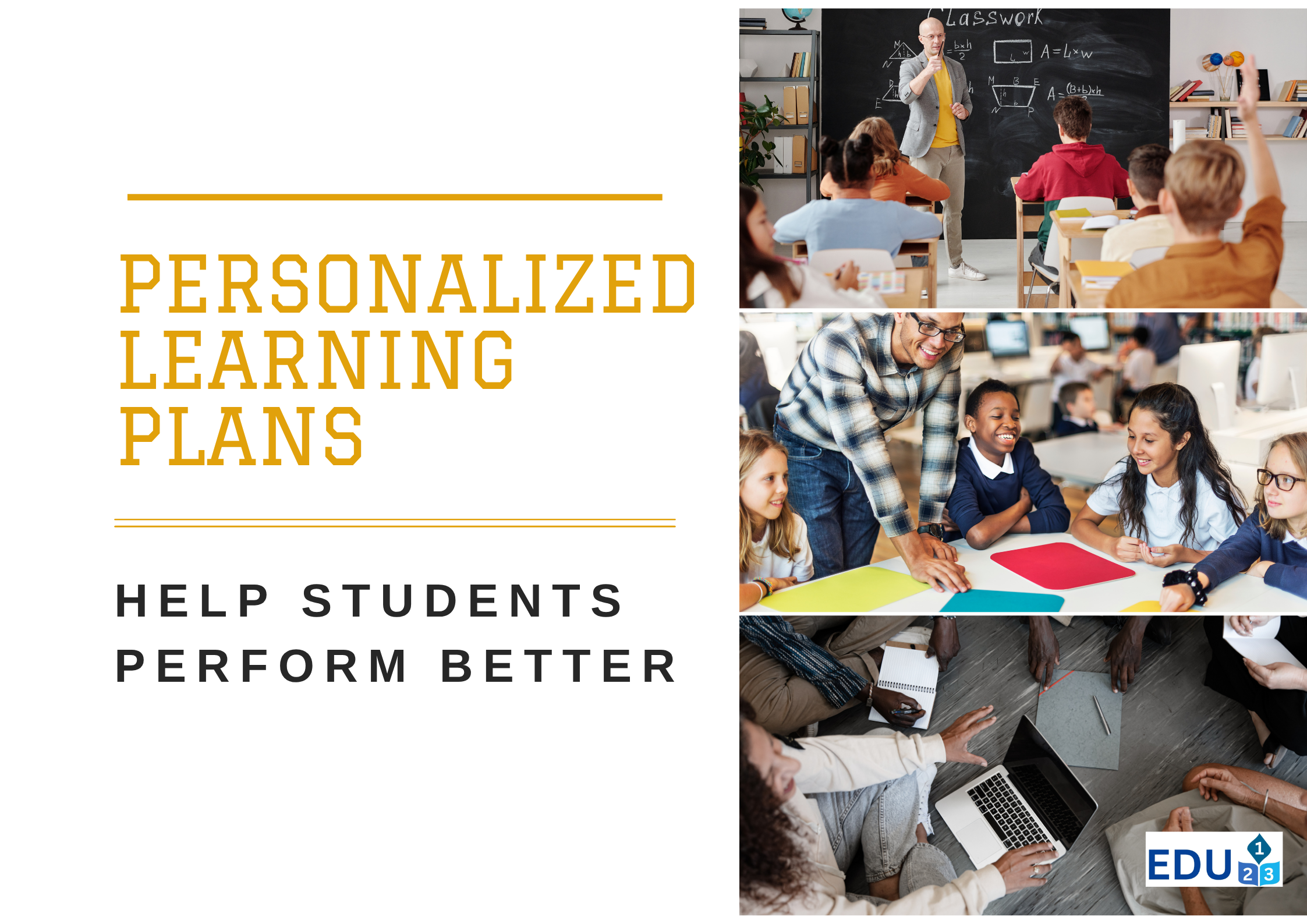
Every student is unique, with different strengths, weaknesses, and ways they learn best. This is why many modern educators are turning to Personalized Learning Plans (PLPs) to help students perform better. In fact, some leading boarding-schools in mussoorie have started adopting PLPs to support each child’s individual learning journey.
But what exactly is a personalized learning plan, and how does it make a difference?
What Is a Personalized Learning Plan?
A personalized learning plan is a customized educational roadmap created for each student. Instead of a one-size-fits-all approach, PLPs consider a student’s interests, pace, skills, and goals. This way, the learning experience matches the student’s unique needs.
PLPs often include:
Specific learning goals
Preferred learning methods (visual, auditory, hands-on)
Areas where the student needs extra help
Stretch goals to challenge the student
Regular progress checks
How Personalized Learning Plans Improve Performance
Here are some ways PLPs help students do better academically and personally:
1. Focuses on Individual Strengths and Weaknesses
PLPs allow teachers to identify exactly what each student struggles with and what they excel in.
This means students get more practice where they need it and move faster through topics they understand well.
For example, a student who learns math quickly won’t have to wait for the whole class to catch up.
2. Encourages Active Learning
When students follow a plan tailored to them, they are more engaged.
They work on topics that interest them and can learn in ways that suit them best.
This makes learning more fun and meaningful.
3. Builds Confidence
Seeing progress in areas where they were once weak motivates students.
Personalized feedback helps them understand mistakes without feeling overwhelmed.
Gradually, students become more confident in their abilities.
4. Promotes Better Time Management
PLPs often include schedules or milestones, helping students organize their study time.
Learning to manage their own plans teaches important life skills like discipline and responsibility.
5. Supports Teachers and Parents
Teachers get a clear picture of each student’s progress and can adjust instruction accordingly.
Parents can stay informed and help their children at home in a focused way.
Why Schools in Dehradun Are Embracing PLPs
Many schools in Dehradun recognize that every child learns differently. By adopting personalized learning plans, these schools create an environment where no student feels left behind or unchallenged.
This approach is especially helpful in diverse classrooms where students come from various backgrounds and have different learning paces.
Simple Steps to Start a Personalized Learning Plan
Assess the student’s current knowledge and interests
Set clear, achievable goals together with the student
Choose learning materials and activities tailored to their style
Schedule regular reviews to track progress and adjust the plan
Encourage student involvement and ownership of their learning
Conclusion
Personalized learning plans change the way students experience education. They make learning more effective, enjoyable, and suited to individual needs. This helps students perform better not just in tests, but also in real life.
With more schools, including those in Dehradun, adopting personalized learning, the future looks brighter for students everywhere.


